Lambeth Council rules for garden waste disposal in Clapham: what you can do, what to avoid, and how to stay compliant
If you have ever stood in a Clapham garden with a pile of hedge cuttings, a broken bag of leaves, and a bin that is already half full, you will know the feeling: what exactly are the Lambeth Council rules for garden waste disposal in Clapham, and how do you deal with it without making a mess of the pavement, the neighbours, or the rules? The short answer is that garden waste needs to be sorted, stored, and removed in a way that matches Lambeth's local collection and disposal expectations. The longer answer is where the real value is, because the right approach can save time, reduce hassle, and help you avoid rejected waste, extra trips, or sloppy fly-tipping issues that nobody wants. This guide breaks it all down in plain English.
Whether you are tidying a small courtyard, clearing up after a storm, or planning a bigger seasonal cut-back, this article will walk you through the practical side of garden waste disposal in Clapham. You will also see where professional help fits in, when a garden clearance becomes the sensible choice, and how to keep the whole job neat from start to finish. Let's face it, nobody wants a skip sitting outside for longer than it needs to.
Why Lambeth Council rules for garden waste disposal in Clapham Matters
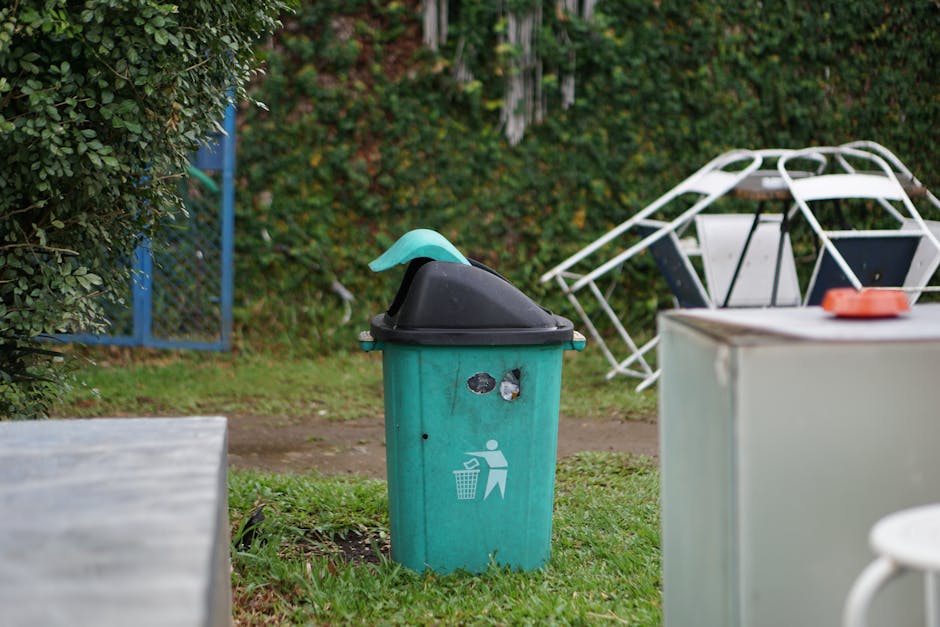
Garden waste seems harmless at first glance. Leaves, grass cuttings, small branches, and old plants feel like the most natural thing in the world. But once they are bagged up, piled in a corner, or mixed with soil and household rubbish, they become a local disposal issue rather than just a gardening one. In Clapham, that matters because Lambeth Council expects waste to be handled responsibly and in line with local collection rules and recycling expectations.
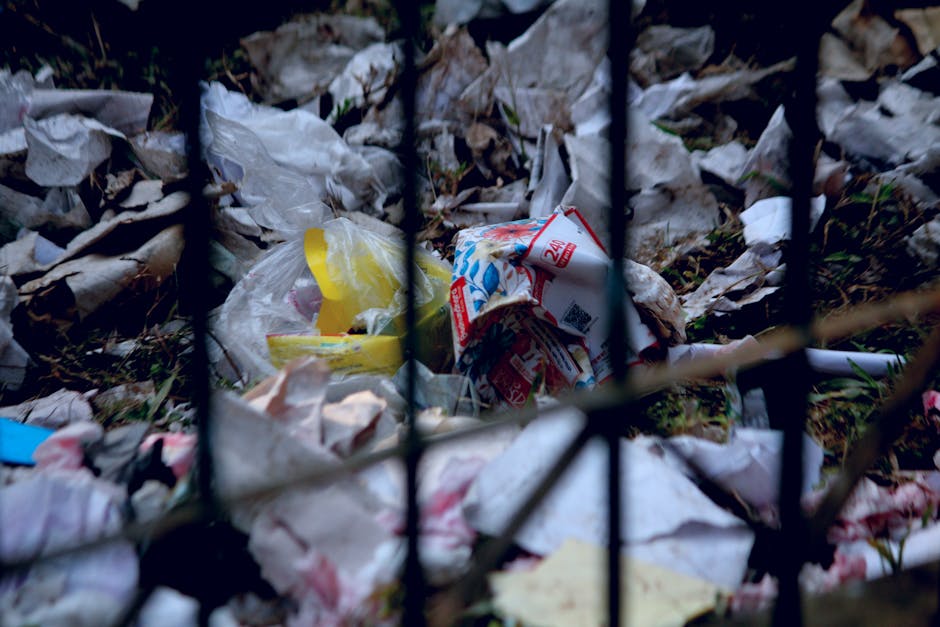
The practical point is simple: if garden waste is not separated correctly, it may not be collected at all. That creates extra work for you and, in some cases, can lead to complaints from neighbours if bags are left on the pavement too long or bags split in the rain. A damp pile of clippings on a front path smells earthy for about five minutes; after that, it just looks neglected. Small detail, big difference.
There is also the wider environmental side. Green waste is often best treated as a recyclable organic material, not general rubbish. When handled properly, it can be diverted away from residual waste streams. That is one reason services like recycling and sustainability matter for local homeowners and tenants alike. Good disposal habits are not just tidy; they are part of responsible garden care in a dense London borough.
For landlords, managing agents, and busy households, the stakes are even higher. Overgrown gardens, fallen branches, and post-renovation clear-outs can quickly become unmanageable. A sensible disposal plan saves you from last-minute panic and keeps the property looking cared for. In a place like Clapham, where outdoor space is often limited, that counts.
How Lambeth Council rules for garden waste disposal in Clapham Works
At a practical level, garden waste disposal usually falls into one of a few routes: council collection, private garden clearance, or self-transport to an approved disposal route where available. The exact method depends on what kind of waste you have, how much of it there is, and whether the material is clean green waste or mixed with other items.
Most of the confusion comes from mixing different waste types. Green waste generally means biodegradable garden material such as grass cuttings, leaves, weeds, hedge trimmings, and small branches. Once you start adding soil, plant pots, timber, rubble, fencing, plastic ties, or household rubbish, you move into a mixed waste category. And mixed waste tends to be dealt with differently. Not ideal, truth be told.
For everyday garden maintenance, the normal route is to keep green waste separate and manageable. If you are doing a bigger tidy-up, a dedicated garden clearance can make more sense because it handles volume, sorting, loading, and removal in one go. That is especially useful after a long growing season, a tenancy change, or a hedge cut that produces far more cuttings than you expected.
There is also the issue of timing. Many people wait until the pile is too big for their usual bin or bag system. Then they end up storing waste in the garden for days, which attracts moisture, takes up space, and becomes harder to shift. Better to move in smaller stages. The job feels less dramatic that way, which is nice.
If you are unsure whether something counts as garden waste, ask yourself a basic question: would a composting or green recycling process reasonably accept it? If the answer is yes, it may belong in your green waste. If not, it probably needs a different disposal route. Simple rule, but it saves a lot of mistakes.
Key Benefits and Practical Advantages
Following the local rules is not just about avoiding problems. It also makes gardening easier. Once you have a system, the whole process becomes calmer and less wasteful. Here is what people usually gain when they handle garden waste properly in Clapham.
- Less clutter in the garden: Bags, branches, and clippings do not pile up in corners or block access.
- Cleaner kerb appeal: A tidy front or rear garden looks cared for, which matters in a busy residential area.
- Lower risk of rejected waste: Proper sorting means fewer collection issues and fewer delays.
- Better environmental outcomes: Green waste can often be processed more responsibly when separated correctly.
- Less neighbour friction: No one enjoys seeing waste bags sitting out in shared spaces too long.
- More efficient garden work: If waste is managed well, maintenance tasks such as lawn mowing and hedge trimming are easier to finish properly.
One underrated benefit is mental, actually. A garden feels different once the waste has gone. The space looks bigger, cleaner, and less half-finished. You notice the shape of the beds again, the path is clearer, and the whole place feels usable. That is not a tiny thing if your outdoor area is small.
For larger properties or more heavily planted gardens, proper disposal also supports long-term care. If cuttings are removed regularly, routine garden maintenance becomes more predictable. And predictable is good. Predictable saves weekends.
Who This Is For and When It Makes Sense
This topic is relevant to a lot of people in Clapham, not just keen gardeners. If you have even a modest patch of outdoor space, you will probably deal with green waste at some point. The question is how often and in what volume.
The rules and practical methods matter most for:
- homeowners with small or medium gardens
- tenants responsible for patio, terrace, or shared garden upkeep
- landlords preparing a property for new occupants
- managing agents dealing with end-of-tenancy clearances
- busy households that need one-off seasonal tidy-ups
- people dealing with overgrown hedges, trees, or storm damage
It also makes sense to think about disposal before starting the job, not after. That sounds obvious, but people still do it the other way round all the time. They cut back a massive shrub, fill three sacks, and then wonder where the sacks are supposed to go. Planning disposal first is calmer, quicker, and usually cheaper.
If the job involves woody material, heavier branches, or tree debris, it may be worth considering tree lopping and removal rather than treating everything as simple green waste. Likewise, if the entire garden is a bit of a state, a broader garden clearance can be more efficient than trying to segment the work into tiny jobs.
Step-by-Step Guidance
If you want to handle garden waste properly in Clapham, a straightforward process helps. You do not need to overcomplicate it. You just need a system that fits the amount of waste you have.
- Separate green waste from everything else. Keep grass, leaves, clippings, weeds, and small branches apart from soil, pots, plastic, timber, and general rubbish.
- Check the volume early. If the waste is more than a couple of bags, or you can already tell it will not fit your usual bin routine, plan an alternative before you start stacking it up.
- Keep waste dry where possible. Wet bags are heavier, more awkward to move, and much less pleasant to deal with. A sudden shower can turn a neat pile into a soggy headache.
- Use sturdy sacks or bundles. Weak bags split, which is annoying for you and messy for everyone else. Branches should be tied securely if you are bundling them.
- Do not mix in restricted materials. If you have soil, stones, treated timber, or building waste, treat that separately.
- Decide whether council collection or private clearance fits best. For light ongoing waste, a local council route may be enough. For a big clear-out, a specialist service is often the cleaner choice.
- Get the waste moved promptly. The longer it sits, the more likely it is to smell, leak, attract pests, or spread across the garden.
If you are doing regular upkeep, pairing disposal with routine tasks works well. For example, mowing, trimming, and clearance can be handled together rather than as disconnected jobs. That is where a service mix like lawn mowing and hedge trimming starts to make real sense.
And yes, you can absolutely do it in stages. In fact, that is often the best way. A bit on Saturday morning, another load after lunch, then finished. No drama, no mountain of waste, no wondering why the back gate looks like a compost depot.
Expert Tips for Better Results
In our experience, the best garden waste jobs are the ones that look boring because they were planned well. That means thinking through access, weather, and waste type before you lift a single bag.
Here are a few practical tips that genuinely help:
- Cut back in sensible batches. If you are pruning heavily, work section by section so the waste never gets out of hand.
- Keep a separate area for reusable material. Some healthy branches may be suitable for shredding, mulch, or future landscaping use.
- Use the right team for the job. If the task is more than simple tidying, a combined garden maintenance approach keeps the work neat and reduces repeat visits.
- Think about access. Narrow paths, side returns, and basement steps can make waste removal more awkward than it first looks.
- Clear waste the same day if possible. Freshly cut greenery is easier to handle than a week-old heap that has started to compact.
A small tip, but a useful one: keep a tarpaulin or designated corner ready if you know you will be cutting back heavily. It is a simple way to keep material contained. Makes life much easier when the bin bags start multiplying.
If the project includes hard landscaping, decking, or a redesign around the borders, you may also want to think about the disposal burden before work begins. Services such as landscaping, landscape gardening, and even decking services can change the amount and type of waste produced. That matters for planning, especially on tighter residential plots.
Common Mistakes to Avoid
Most disposal problems are preventable. The mistake is usually not the garden waste itself. It is the way it gets mixed, stored, or left behind.
- Mixing green waste with general rubbish: This is one of the quickest ways to create a disposal headache.
- Overfilling bags: Heavy bags split, drag, and are unpleasant to move safely.
- Leaving waste on the pavement too long: It can create obstruction and a poor impression, even if you intend to move it later.
- Ignoring bulky branches: Woody waste is different from soft clippings and may need separate handling.
- Forgetting weather conditions: Rain adds weight and makes everything more awkward. A dry Sunday can become a muddy Monday faster than you think.
- Assuming every item can go with garden waste: Soil, stones, and treated materials often need different disposal routes.
One common real-world error is leaving a pile in the garden and planning to sort it "next weekend". That sounds harmless, but it often means a wet, compacted mess by the time you return. And then the job feels twice as big. Honestly, that is where people lose patience.
Tools, Resources and Recommendations
You do not need a huge amount of equipment to manage garden waste well. A few practical tools will get you most of the way there.
- Heavy-duty garden sacks: Better than flimsy bags that tear under the weight of wet clippings.
- Tarpaulin or groundsheet: Useful for gathering cuttings in one place and protecting paths.
- Securing ties or twine: Handy for bundling branches and keeping loads tidy.
- Wheelbarrow or garden trolley: Especially useful if access is narrow or uneven.
- Gloves and sturdy footwear: Not glamorous, but absolutely worth it.
- Pruning tools and shears: Good cuts produce cleaner waste and less mess in the first place.
For people who want to keep the garden looking good across the year, it can help to think in layers: regular mowing, seasonal trimming, and occasional clearance. That is where a steady service plan can be easier than one big annual overhaul. If you want to compare what kind of help fits your situation, the services overview page is a sensible place to start.
It is also worth paying attention to service transparency and trust signals before choosing a provider. Things like insurance and safety, health and safety policy, and pricing and quotes are practical indicators that a company takes the work seriously. That matters more than glossy photos, to be fair.
Law, Compliance, Standards, or Best Practice
When people talk about council rules, they often want a single exact answer. The reality is a little more nuanced. Waste in the UK is governed by general duties around responsible disposal, correct separation, and avoiding fly-tipping or nuisance. Local council rules then shape how residents should present or arrange disposal of garden waste in their area.
For Clapham residents, the safest approach is to treat garden waste as a material that should be separated cleanly, not bundled with mixed rubbish. That is the practical standard. Keep biodegradable garden material apart, and do not leave anything in a way that creates a hazard, obstruction, or local mess. If you are using a contractor, make sure they are handling waste responsibly and in line with accepted disposal practices.
Best practice also means knowing the difference between green waste and mixed waste. Green waste is the biodegradable stuff. Mixed waste contains other materials that may need separate treatment. If you are not sure, assume it is mixed until proven otherwise. That sounds cautious, but it is the smarter move.
For larger removals, it is wise to work with a provider that can explain how waste is handled and where it goes. You do not need a lecture. Just clear, sensible information. If a job involves cutting, clearing, and waste removal in one visit, a good provider should be able to outline the process plainly and give you an honest price structure. That is where terms and conditions and payment and security also become part of the trust picture.
Options, Methods, or Comparison Table
There is no single right method for every garden. The best choice depends on volume, waste type, access, and how often you generate garden debris. Here is a practical comparison.
| Method | Best for | Strengths | Limitations |
|---|---|---|---|
| Routine council-style collection | Light, regular green waste | Simple for ongoing small amounts; fits normal upkeep | May not suit bulky, mixed, or sudden high-volume waste |
| Self-bagging and staged disposal | Small gardens and modest pruning jobs | Flexible; inexpensive; easy to spread over time | Can become time-consuming if the pile grows quickly |
| Professional garden clearance | Overgrown spaces, tenancy changes, seasonal clear-outs | Fast, tidy, and handles loading and removal | Usually more cost than doing it yourself |
| Ongoing maintenance with waste taken away | People who want a neat garden without ongoing hassle | Regular, predictable, and less stressful | Needs a continuing service arrangement |
If you want the least friction, a professional clearance is often the easiest route for large jobs. If you only have a few bags of leaves, a simpler method may be enough. The trick is matching the disposal method to the size of the task, not to wishful thinking. We have all done that once.
Case Study or Real-World Example
Picture a typical Clapham side return garden in early autumn. The hedge has grown a bit wild, the lawn edges are messy, and there are leaves collecting against the fence after a windy week. Nothing dramatic. Just one of those jobs that quietly gets away from you.
The owner starts with the hedge, then the lawn, then notices the flower bed needs cutting back as well. By the end of the morning, there are several sacks of clippings and a pile of thicker branches near the gate. At that point, the waste is no longer a small tidy-up issue. It is a removal issue.
What works best in this kind of situation is usually a split approach: collect clean green waste separately, keep branches bundled, and arrange removal in one coordinated step rather than dragging it out for days. A one-off garden clearance saves repeated lifting and means the garden looks genuinely finished rather than half done.
The practical lesson is straightforward. Once waste starts interfering with access, visibility, or your ability to finish the rest of the garden, it is time to stop and clear it properly. Pushing on through just creates extra effort later. That little pause to sort things out can save the whole day.
Practical Checklist
Use this before, during, or after garden work in Clapham to keep disposal under control.
- Have I separated green waste from mixed rubbish?
- Do I know whether the waste is light, bulky, or a mix of both?
- Are my bags strong enough for wet clippings and soil traces?
- Have I kept branches and woody material bundled safely?
- Will the waste be removed promptly, or is it sitting around too long?
- Do I need help with wider garden work, not just waste removal?
- Have I checked whether the task is really a clearance rather than a simple tidy-up?
- Is access to the front, side, or rear of the property clear?
- Do I know who is responsible if I am renting or managing a property?
- Would a more regular maintenance plan make future disposal easier?
If the answer to several of those is "not really", that is your sign to slow down and plan properly. No shame in that. Better a tidy process than a frantic one.
Practical summary: keep garden waste separate, avoid mixing it with general rubbish, choose the disposal method that fits the amount of material, and remove waste promptly so it does not become a nuisance. For bigger jobs, coordinated clearance is usually the cleanest, safest option.
Conclusion
Lambeth Council rules for garden waste disposal in Clapham are easiest to follow when you treat disposal as part of garden care, not an afterthought. Keep green waste separate, avoid piling it up for too long, and match the disposal method to the size and type of the job. That simple approach reduces mess, saves time, and keeps your outdoor space feeling like a garden again rather than a holding bay for clippings.
For many people, the real win is not just compliance. It is the sense that the job is properly finished. The space looks better, smells fresher, and feels more usable. And if you are juggling a busy week, that matters more than it sounds on paper.
If you want support with a larger tidy-up, a seasonal reset, or a full garden clear-out, it is worth speaking to a local team that understands the practical side of disposal as well as the gardening itself.
Get a free quote today and see how much you can save.
Even a small garden feels better when the waste is gone and the daylight can do its work.
Frequently Asked Questions
What counts as garden waste in Clapham?
Garden waste usually includes grass cuttings, leaves, weeds, hedge trimmings, small branches, and other biodegradable plant material. Soil, rubble, plastic pots, treated timber, and general rubbish are usually treated separately.
Can I put garden waste in my regular household bin?
Sometimes small amounts may be handled locally depending on the collection setup, but it is not a good idea to assume everything can go in household waste. Keep green waste separate and check the most suitable local disposal route for your property.
What should I do with big branches or woody cuttings?
Bundle them securely and treat them as a separate disposal task if needed. Large woody material is often more awkward than soft clippings, so a clearance service may be the easier choice.
Is it better to bag garden waste or leave it loose?
Bagging or bundling usually makes handling much easier, especially for transport and collection. Loose waste is messy, can spread in the wind, and tends to create more work later.
What happens if I mix soil with green waste?
Soil can change the disposal category and make the load heavier and harder to process. If possible, keep soil separate from green waste so you do not complicate the job unnecessarily.
Do I need a garden clearance service for a small garden?
Not always. For a few bags of light waste, simple self-management may be enough. If the garden is overgrown, access is awkward, or the waste is bulky, a clearance service can save time and effort.
How do I know if my waste is too much for a normal tidy-up?
If the waste is starting to block access, fill multiple sacks quickly, or needs a vehicle or specialist removal, it is probably beyond a casual tidy-up. That is usually the point where a dedicated clearance becomes sensible.
Can I combine lawn mowing, hedge trimming, and waste removal in one visit?
Yes, and that is often the most efficient way to do it. Combining services can reduce repeat disruption and keep the garden looking consistent rather than partly finished.
What is the most common mistake people make with garden waste?
The biggest mistake is mixing green waste with general rubbish and then leaving it too long. That creates collection problems, mess, and unnecessary hassle.
When is the best time to clear garden waste?
As soon as possible after the work is done. Fresh cuttings are easier to manage, and you avoid the damp, compacted pile that turns a simple job into a stubborn one.
Should I choose a one-off clearance or regular maintenance?
If your garden gets overgrown quickly, regular maintenance often makes more sense. If you are dealing with a one-time reset, move-out, or seasonal burst of growth, a one-off clearance is probably the better fit.
How can I keep future garden waste under control?
Plan disposal before you cut, trim in stages, and keep separate piles for green waste and everything else. A bit of organisation now makes the next tidy-up much easier.