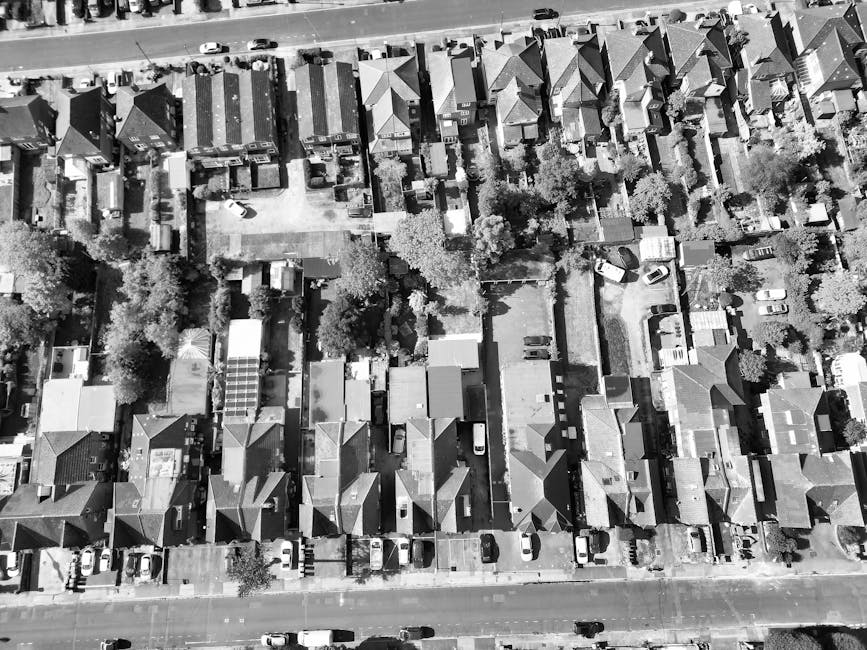
Clapham North gardeners access and parking challenges solved
Getting a gardener to your property should feel straightforward. But in Clapham North, that is not always how it goes. Tight roads, resident bays, busy side streets, awkward mews access, and limited space for vans can turn a simple garden visit into a small logistical puzzle. If you have ever wondered how to organise Clapham North gardeners access and parking challenges solved without the usual back-and-forth, you are in the right place.
This guide explains what makes access tricky in the area, how professional gardeners plan around it, and what you can do to keep the job moving smoothly. We will look at parking, loading, timing, permits, vehicle size, and practical ways to reduce disruption for you and your neighbours. Truth be told, most access problems are solvable with a bit of planning and clear communication. The hard part is knowing which details matter before the van turns up.
For readers comparing service options, it also helps to understand how a local team approaches jobs that involve more than just gardening skill. Good planning, sensible scheduling, and the right setup matter just as much as cutting, clearing, or planting. If you want a broader view of what a full service can include, you can also explore the services overview and the company background on the about us page.
Table of Contents
- Why Clapham North gardeners access and parking challenges solved matters
- How access and parking planning works
- Key benefits and practical advantages
- Who this is for and when it makes sense
- Step-by-step guidance
- Expert tips for better results
- Common mistakes to avoid
- Tools, resources and recommendations
- Law, compliance, standards, or best practice
- Options, methods, or comparison table
- Case study or real-world example
- Practical checklist
- Conclusion
- Frequently asked questions
Why Clapham North gardeners access and parking challenges solved Matters
Access issues are not just a minor inconvenience. They affect how quickly a gardening job can begin, how much equipment can be brought on site, and whether waste can be removed efficiently at the end. In a place like Clapham North, where streets can feel busy even on a quiet morning, a badly planned arrival can mean delays before a single hedge is trimmed.
That matters for a few reasons. First, timing. If a gardener is spending 15 minutes circling for parking, that is 15 minutes not spent working. Second, cost control. Extra time, repeated vehicle moves, or multiple trips for waste can make a job less efficient. Third, neighbour relations. Nobody wants a van blocking a narrow street or sitting with hazard lights on while everyone else is trying to get out for the school run. Not ideal, as they say.
There is also a quality angle. Garden work often depends on the right tools being on site at the right moment. If access is poor, teams may have to reduce what they carry, which can slow down maintenance, clearance, or landscaping work. A smart access plan keeps the job practical from the start, rather than turning it into a workaround later.
Expert summary: In Clapham North, the best results come from treating parking and access as part of the job design, not an afterthought. Clear instructions, realistic scheduling, and the right vehicle setup prevent most of the friction.
This is especially important if you are booking repeat visits such as garden maintenance, seasonal hedge work through hedge trimming, or one-off clearance via garden clearance. When access is handled well, those jobs tend to run a lot more smoothly. Simple, but true.
How Clapham North gardeners access and parking challenges solved Works
The solution is usually a blend of pre-visit planning, local awareness, and practical flexibility. A professional team will typically assess the property type, street layout, and the kind of work being carried out before arrival. That may sound basic, but it makes a real difference once the van is on the road.
Here is what that process often looks like in practice:
- Check the property access details in advance. This includes gate width, side return access, rear entry, steps, shared driveways, and any restrictions around loading.
- Estimate the vehicle needs. A tidy maintenance visit may only need a smaller setup, while larger clearance or landscaping jobs might require more room for tools, materials, and waste.
- Plan the parking approach. Teams consider whether they can load safely nearby, whether a short stay bay is appropriate, or whether it is better to arrive at a quieter time of day.
- Reduce carrying distance. If parking is a little way off, equipment is selected so it can be moved efficiently without multiple unnecessary trips.
- Confirm any special instructions. For example: call on arrival, use a particular entrance, avoid school drop-off times, or wait for a resident to move a car.
For some jobs, the main issue is simply a lack of convenient parking. For others, it is a combination of narrow access, shared forecourts, and awkward turning space. In the real world, these things stack up. A lawn mowing visit on a suburban stretch is one thing; a full garden clearance on a compact Clapham North terrace is another altogether.
Where the work is more involved, a gardener may also coordinate with related services such as lawn mowing, landscaping, or landscape gardening. Those jobs often need a slightly different arrival plan because materials and waste handling matter as much as the actual gardening task.
One useful way to think about it: the garden itself is only part of the site. The street, the path, the gate, the parking bay, and the route from van to lawn all count. Once you see it that way, the whole thing becomes much easier to manage.
Key Benefits and Practical Advantages
Sorting access and parking before the job starts brings clear benefits. Some are obvious. Some only become obvious after the first time something goes wrong.
- Less wasted time. The team can start work sooner and keep momentum through the visit.
- Cleaner scheduling. Jobs are less likely to overrun because there is no scramble to find space.
- Better use of equipment. Tools, plants, and waste containers can be organised around the site conditions.
- Lower disruption. You are less likely to annoy neighbours, block entrances, or create traffic friction.
- More predictable pricing. A well-planned visit is easier to estimate than one that depends on parking luck.
- Safer working conditions. Less carrying across traffic or awkward footpaths means fewer avoidable risks.
There is also a quieter benefit that people sometimes overlook: confidence. If you know the gardener has thought through access, you can relax a bit. You are not waiting for the message that says, "I'm parked five streets away, just trying to get in." We have all had enough of those moments.
From a service perspective, this is one reason local, well-organised teams often perform better on compact urban jobs. They tend to be more realistic about what can be done in one visit and what needs separate planning. That is useful whether you are booking general upkeep, larger planting changes, or a full refresh that may involve decking services alongside garden work.
Who This Is For and When It Makes Sense
This approach is useful for anyone with a property in or around Clapham North where parking is limited, access is shared, or the garden sits behind the house rather than at the front. That includes flat owners, landlords, tenants, management companies, and homeowners with narrow frontage or restricted loading space.
It makes particular sense if:
- you live on a busy residential street with resident bays or controlled parking;
- your garden is accessed through a side passage, rear lane, or internal corridor;
- you need regular maintenance and want visits to happen predictably;
- you are planning clearance, pruning, or landscape work that produces waste;
- you want to avoid neighbour complaints or access disputes;
- you need the work finished in one tidy visit rather than spread over several returns.
It also makes sense for people who have had a bad experience before. Maybe a contractor arrived in the wrong size vehicle, maybe nobody had checked where the gate key was, or maybe the job stalled because there was nowhere safe to unload. That sort of thing sounds small until it is happening in your driveway, with everyone looking at each other and time ticking on.
If you are comparing providers, a helpful sign is whether they ask practical questions up front. Do they ask about access, parking, and waste removal? Do they want photos? Do they mention insurance, safety, or what happens if parking is difficult? These are not fussy questions. They are the questions that save hassle later. For peace of mind, it is worth reviewing the company's insurance and safety information and its health and safety policy before booking.
Step-by-Step Guidance
If you want the smoothest possible visit, the process usually breaks down into a few sensible steps. Nothing fancy. Just good housekeeping, really.
1. Describe the access clearly
Say whether the garden is front, back, or side accessed. Mention narrow gates, steep steps, shared hallways, or anything that could limit equipment movement. A short voice note is often better than a vague sentence.
2. Be honest about parking conditions
Do not assume there will be "probably space nearby". In Clapham North, that sort of assumption can go wrong fast. If parking is controlled, tight, or variable through the day, say so. The more precise you are, the better the scheduling can be.
3. Share a few photos if needed
A couple of simple pictures of the gate, rear access, street, and parking area can answer questions before they are asked. It saves a lot of awkwardness later. No need for a photo shoot. Just clear, practical images.
4. Match the vehicle and workload to the site
Some visits are light-touch and suited to a quick, compact setup. Others need room for green waste, timber, or tools. A good team should choose the right approach rather than forcing every job into the same pattern.
5. Agree on arrival instructions
Decide how the team should contact you, where they should wait, and whether they should use a specific entrance. If the property is tucked away, tell them what the landmark is. The small things matter here.
6. Keep a little flexibility in the schedule
Parking in London can be a moving target. If a job depends on a loading space, a small amount of flexibility goes a long way. That does not mean accepting chaos. It just means giving the work a fair chance to start on time.
If the job involves heavier overgrowth or a lot of cuttings, it can also help to plan related work together. For example, pairing hedge work with garden maintenance or arranging tree work through tree lopping and removal can make access planning more efficient than booking them separately.
Expert Tips for Better Results
A few small habits can make access and parking dramatically easier. None of them are glamorous, but they work.
- Book earlier in the day when possible. Streets are often calmer, and loading is usually easier before traffic builds up.
- Use one clear point of contact. If three people answer the door with three different instructions, the day gets weird very quickly.
- Keep gates, locks, and side entrances ready. If access depends on a key or code, have it ready before arrival.
- Leave a sensible unloading zone if you can. Even a small cleared space by the gate helps.
- Plan waste removal early. If you know there will be significant arisings, say so. It affects vehicle choice and timing.
- Combine compatible tasks. A single visit for mowing, hedge trimming, and tidying can be easier than three separate arrivals.
One thing we have noticed over time: people often underestimate how much smoother a job becomes when the parking question is solved before arrival. It sounds almost too simple. Yet it is the difference between a tidy, professional visit and a day full of little interruptions.
Also, a mild but useful rule of thumb: if the street looks cramped on a Saturday, it will not magically become spacious on a Tuesday. Sometimes it does. Often it does not. Planning for the worst realistic option is usually the safer bet.
Common Mistakes to Avoid
Most access problems are preventable. The trouble is that people often treat them as minor details rather than operational issues. That is where the trouble starts.
- Assuming parking will be available. The phrase "should be fine" has caused more delays than it should.
- Forgetting to mention restricted access. Rear alleys, shared gates, and narrow passages need to be flagged early.
- Booking a job without considering waste. Clearance and pruning create more debris than many homeowners expect.
- Not checking the size of the team's vehicle. A large van may be efficient for a clearance job but awkward on a tight road.
- Leaving keys or entry instructions until the last minute. This leads to waiting, phone calls, and unnecessary drift.
- Splitting one obvious job into several visits. If access is already challenging, extra arrivals can make things harder, not easier.
A quieter mistake is not asking how the company handles difficult access in the first place. A good provider should be able to talk you through it plainly. No jargon. No drama. Just a practical explanation of how they will make it work.
Tools, Resources and Recommendations
You do not need special equipment to prepare for a gardening visit, but a few simple tools and documents make life easier.
- Phone camera. A quick set of photos of the route, gate, and parking space is often enough.
- Gate or entry keys. Keep them ready, labelled, and easy to hand over if needed.
- Parking notes. If a certain bay, time window, or entrance works best, write it down.
- Basic site sketch. For more complex gardens, a rough sketch can help show the route through the property.
- Clear communication channel. A text or call just before arrival can prevent avoidable waiting.
For service planning and budgeting, it may also help to look at pricing and quotes so you know what information is likely to be needed upfront. If you are checking how payments are handled, the payment and security page is a useful read as well. Small detail, but useful.
And if you want to understand how waste is treated after clearance or pruning, review the company's recycling and sustainability approach. That matters more than many people think, especially after bigger jobs.
Law, Compliance, Standards, or Best Practice
Access and parking work in a real-world framework. In London, that usually means paying attention to local parking restrictions, keeping footways clear, avoiding obstruction, and working safely around neighbours, pedestrians, and vehicles. Exact rules vary by location, bay type, and time of day, so nobody should guess their way through it.
From a best-practice perspective, the main points are straightforward:
- Do not block driveways or emergency access.
- Use loading and unloading sensibly.
- Keep tools and waste secure during transfer.
- Respect shared spaces and communal entrances.
- Follow site-specific safety procedures.
Professional gardeners should also operate with proper liability cover and safe working methods. If a team is handling ladders, cutting tools, timber, or heavy waste, insurance and safety become more than background admin. They are part of responsible service delivery. You can review the company's accessibility statement as well, which is helpful where route planning or entry arrangements need a bit more thought for practical access needs.
For larger projects, especially landscaping or tree-related work, best practice often means a site check before the main visit. That is not overcautious. It is sensible. The more variables there are, the more valuable a proper plan becomes.
Options, Methods, or Comparison Table
There are a few common ways to handle access and parking in Clapham North. The best one depends on the job size and the layout of the property. Here is a simple comparison.
| Approach | Best for | Advantages | Limitations |
|---|---|---|---|
| Pre-arranged close parking | Most routine maintenance jobs | Fast start, easy unloading, less carrying | Depends on local availability |
| Smaller vehicle setup | Narrow streets and tight side access | More manoeuvrable, easier to place nearby | May require more trips for larger jobs |
| Timed arrival at quieter hours | Busy roads and controlled parking areas | Improves the chance of finding space | Needs careful scheduling and punctuality |
| Combined multi-task visit | Maintenance, trimming, and tidy-up work | Fewer arrivals, better efficiency | Needs good upfront planning |
| Full site review before larger works | Landscaping, clearance, tree work | Reduces risk and surprises | Takes a little more preparation |
For many homeowners, the combined-visit option is the sweet spot. One arrival, one plan, one tidy finish. Simple again, but that simplicity is earned, not accidental.
Case Study or Real-World Example
Picture a typical Clapham North terrace with rear garden access through a narrow passage and street parking that changes through the day. The homeowner needs a mix of hedge trimming, lawn tidy-up, and removal of clippings that have built up after a few neglected weeks. Nothing extreme. Just one of those jobs that feels bigger than it looks from the front door.
If the team arrives without checking parking, they may need to unload from a space further away, carry tools through a tight route, and then make a separate plan for waste. That creates delays. It also increases the chance that the work is split awkwardly across the day.
Now compare that with a planned visit. The gardener knows the access route, arrives in the most practical vehicle, and brings only the tools needed for the job. The homeowner clears the gate area in advance and confirms a call on arrival. The work starts faster, the clippings are managed in one go, and the path remains clear. No fuss, no drama.
That is the real value of solving access and parking properly. Not glamour. Just a smooth day. And if the weather is damp, the difference feels even bigger, because nobody wants muddy boots and awkward carrying in a London drizzle. You know the sort.
Practical Checklist
Use this checklist before your next gardening visit in Clapham North. It keeps things grounded and helps prevent the usual last-minute scramble.
- Confirm the exact property access point.
- Share details of gates, steps, side passages, or shared entrances.
- Explain parking restrictions, bay types, and likely busy periods.
- Send photos if the site is unusual or tight.
- Make sure keys, codes, or entry arrangements are ready.
- Tell the team if waste removal is likely to be significant.
- Ask whether the job needs a smaller vehicle or timed arrival.
- Check whether maintenance, clearance, trimming, or landscaping can be combined.
- Review insurance, safety, and payment information before booking.
- Agree how to contact each other on the day.
Quick takeaway: if the team knows where to park, how to enter, and what they are likely to be moving, the visit becomes much easier for everyone involved. That one bit of preparation pays for itself very quickly.
Get a free quote today and see how much you can save.
Conclusion
Clapham North gardeners access and parking challenges solved is really about making a local service work in the real world. Streets are busy, spaces are limited, and gardens are not always easy to reach. But with the right planning, these problems are usually manageable. In fact, they are often easier to solve than people expect once the basics are handled properly.
The best approach is simple: be specific, be honest about the site, and work with a team that thinks about the whole job, not just the part happening inside the garden. That includes parking, access, timing, waste, safety, and neighbour awareness. When those pieces line up, the work feels calmer and the result is better. Properly better.
If you are planning regular upkeep, a one-off clearance, or a larger outdoor project, take a moment to sort the access question first. It is a small step, but it changes the whole day. And honestly, it is a relief when everything just works.
Frequently Asked Questions
How do gardeners handle parking problems in Clapham North?
They usually plan ahead by checking the street layout, arrival time, and unloading options before the visit. If parking is tight, they may use a smaller vehicle, time the job for a quieter period, or adjust the carrying plan so the work still runs smoothly.
What should I tell a gardener before they arrive?
Tell them about access routes, gate widths, side entrances, parking restrictions, and whether keys or codes are needed. A photo or two can also help. The more practical detail you share, the less chance of delay.
Is it better to book morning appointments for parking?
Often yes, because streets can be calmer earlier in the day. That said, it depends on the exact road and local traffic pattern. The main point is to choose a time that gives the best realistic chance of parking nearby.
Do I need to reserve a parking space for garden work?
Not always, but it can help if the street is particularly restricted or the job is large. Many visits can be managed without a reserved space, as long as the team knows the situation in advance.
What type of gardening jobs are most affected by access issues?
Garden clearance, landscaping, tree work, and larger pruning jobs are usually the most affected because they involve more equipment and more waste. Routine mowing and light maintenance are easier, though access still matters.
Can poor access affect the cost of a gardening job?
It can, because difficult access may require more time, extra carrying, or additional planning. A clear briefing up front helps the gardener price the work more accurately and avoid surprises later.
What if my garden is only reachable through a narrow side passage?
That is fine, but it should be mentioned early. Narrow access changes the choice of tools, the pace of work, and sometimes the waste removal plan. It is manageable, just not something to discover on arrival.
Should I choose a smaller team vehicle for tight London streets?
Sometimes a smaller vehicle is the better option, especially on narrow roads or where unloading space is limited. For larger jobs, though, a compact vehicle may need more trips. The best choice depends on the workload and the site.
How do I avoid upsetting neighbours during a gardening visit?
Keep parking sensible, avoid blocking access, and try to schedule noisy or bulky work at a reasonable time. Clear communication helps too. If a job is likely to take longer or produce waste, it is worth planning around that from the start.
What if I am not sure how bad the access really is?
Share what you do know and say you are unsure. A good gardener can work with approximate details and ask follow-up questions. In many cases, a couple of photos solve the uncertainty quickly.
Can access planning help with repeat garden maintenance?
Yes, very much so. Once the team knows the best parking spot, entrance, and timing, repeat visits become much quicker and more predictable. That is one reason regular maintenance tends to work well in urban areas.
Where can I check service details before booking?
You can review the services overview, read about the team on the about us page, and see practical booking information on pricing and quotes. If you still have questions, the contact us page is the obvious next step.