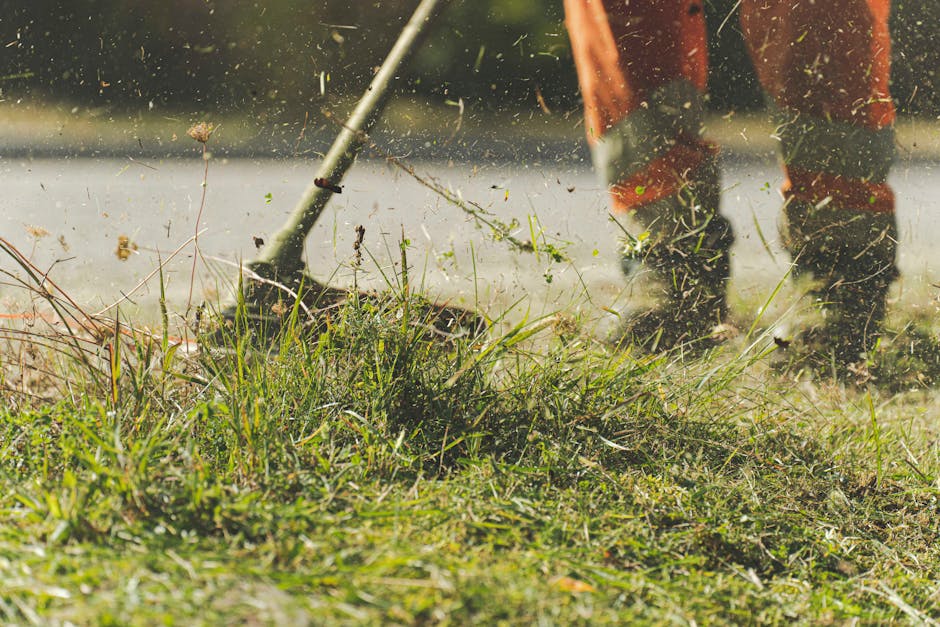
Clapham gardeners same day emergency lawn and hedge care: fast help when the garden can't wait
If your lawn has suddenly turned patchy, waterlogged, scalped, or your hedge is leaning over the path like it has given up on the week, you are probably not looking for a long lecture. You want help now. That is exactly where Clapham gardeners same day emergency lawn and hedge care comes in: quick, practical garden work focused on stabilising the problem before it gets worse.
In a place like Clapham, gardens often have to work hard in a relatively small space. Front lawns get compacted by foot traffic, hedges grow fast after a warm spell, and one windy afternoon can leave a boundary hedge looking untidy or unsafe. This guide explains what same-day emergency care actually involves, when it makes sense, what good service looks like, and how to choose the right next step without overthinking it. Let's face it, in a real garden emergency you need clear answers, not fluff.
Table of Contents
- Why Clapham gardeners same day emergency lawn and hedge care Matters
- How Clapham gardeners same day emergency lawn and hedge care Works
- Key Benefits and Practical Advantages
- Who This Is For and When It Makes Sense
- Step-by-Step Guidance
- Expert Tips for Better Results
- Common Mistakes to Avoid
- Tools, Resources and Recommendations
- Law, Compliance, Standards, or Best Practice
- Options, Methods, or Comparison Table
- Case Study or Real-World Example
- Practical Checklist
- Conclusion
- Frequently Asked Questions
Why Clapham gardeners same day emergency lawn and hedge care Matters
Emergency garden work is not just about making things look neat again. In many cases, it is about stopping a problem from spreading. A lawn that has been badly saturated can turn muddy and compacted very quickly, especially if people keep walking across it. A hedge that has been damaged by wind or overgrown for too long can block access, reduce visibility, or start hanging into neighbouring space. Neither situation usually improves by waiting.
Same-day care matters because timing changes the outcome. A small amount of damage dealt with promptly is often easier, cheaper, and cleaner to resolve than a bigger job left until next week. That is particularly true in Clapham, where weather can shift fast and compact urban gardens can be difficult to manage without the right equipment and a bit of local know-how.
There is also the human side. If you have guests arriving, if a property is being prepared for tenants, or if a hedge has dropped debris after a storm, the pressure ramps up. You need a response that is calm, safe, and efficient. Not a grand overhaul. Just the right intervention at the right time.
Key takeaway: emergency lawn and hedge care is about controlling immediate risk, protecting garden health, and restoring usability quickly. Pretty simple, but very effective when done well.
How Clapham gardeners same day emergency lawn and hedge care Works
Same-day emergency garden care usually starts with a fast assessment. A gardener will want to know what happened, when it happened, how severe it looks, and whether there are any safety concerns. If a hedge is unstable, if branches are hanging low, or if the lawn is waterlogged and slippery, the first job is to make the area safe.
From there, the work typically moves into prioritisation. That may mean trimming only the most urgent hedge sections rather than fully reshaping everything. It may mean lifting flattened lawn edges, clearing debris, easing drainage issues, or removing damaged growth so the garden can recover. In other words, the response is practical rather than decorative. Bit messy for a moment, yes, but that is often the right approach.
For lawn emergencies, the gardener may focus on:
- removing debris and fallen material
- reducing pressure on compacted areas
- spot-cutting damaged turf
- addressing drainage or surface water where possible
- advising on aftercare so the lawn does not deteriorate further
For hedge emergencies, the work often involves:
- cutting back storm-damaged growth
- removing snapped or loose branches
- restoring clear access along paths, drives, or entrances
- checking for signs of hidden instability
- disposing of arisings responsibly
Good same-day service should feel organised, not rushed. Quick does not need to mean careless. In fact, the best emergency gardeners are usually the ones who slow down just enough to get the safe bits right first.
Key Benefits and Practical Advantages
People call for emergency lawn and hedge care because the benefits are immediate. You can see the difference straight away, and sometimes that reassurance is half the battle.
- Less damage over time - acting quickly can stop a lawn problem from becoming a full renovation job or prevent hedge damage from spreading.
- Better safety - broken hedge branches, wet turf, and loose cuttings can all create trip or slip hazards.
- Improved kerb appeal - useful if you are dealing with a property viewing, landlord inspection, or a general "this has got to look better by tomorrow" situation.
- Cleaner boundaries - trimmed hedges and tidier lawn edges make small gardens feel less cramped, which matters more than people think.
- Faster return to normal - a well-managed response helps you get back to using the space properly.
There is a practical advantage that gets missed a lot: emergency work can be a diagnostic moment. A gardener can often spot compaction, poor drainage, pest damage, or hedge stress while dealing with the visible issue. That means the fix is not just cosmetic. It can also be preventative.
To be fair, a lot of people only notice hedge or lawn trouble once it becomes obvious from the street. By then, there is usually some underlying issue in play. Quick intervention gives you a chance to catch that early.
Who This Is For and When It Makes Sense
This kind of service is useful for a wide range of Clapham residents and property managers. You do not need a full garden redesign to justify urgent help. Sometimes the job is very specific and very time-sensitive.
It makes sense if you are:
- a homeowner dealing with storm damage or a sudden garden eyesore
- a tenant or landlord trying to restore a safe outdoor area quickly
- an office or commercial property manager needing a presentable frontage
- preparing for family visiting, a move-in, or a photoshoot
- trying to stop a hedge from blocking light, access, or visibility
- looking at a lawn that has become muddy, torn, or badly overcut
It also makes sense when you are not sure what the real issue is. Maybe the lawn looks "off" rather than obviously damaged. Maybe a hedge has thinned out after a dry spell. Maybe there is a patch of lawn that smells sour after heavy rain, which usually means too much moisture and not enough airflow. A same-day visit can separate the urgent from the merely annoying. And that is useful, honestly.
If you are weighing up whether to wait, ask yourself: is this likely to get worse in the next 24 to 48 hours? If yes, you probably want prompt attention.
Step-by-Step Guidance
If you are arranging emergency lawn or hedge care, a simple process helps keep things calm.
- Describe the problem clearly. Mention what happened, where it is, and whether it affects safety or access.
- Share photos if possible. A few good images often help a gardener judge urgency before arriving.
- Confirm access. Make sure gates, side passages, and key working areas are reachable. Small thing, big difference.
- Ask what can be completed the same day. Some jobs need immediate stabilising only, while others can be finished in one visit.
- Discuss waste removal. Hedge cuttings, branches, and lawn debris should be collected and removed or handled responsibly.
- Agree on the priority order. Safety first, appearance second, longer-term recovery third.
- Follow the aftercare advice. This is where many people let the improvement slip a bit, and then wonder why the lawn sulks later.
One practical tip: keep pets and children away from the work area until everything is cleared. A fresh hedge cut can look harmless, but there are usually trimmings, tools, and uneven ground nearby. It only takes a second.
Also, if the issue follows a storm, do not assume all damage is visible from the front. A hedge can look passable until you inspect the back or base. The same goes for lawns after heavy rain. The surface may look intact while the soil underneath is compacted and unhappy. Gardens do enjoy keeping their secrets, apparently.
Expert Tips for Better Results
Good emergency garden care is partly skill and partly judgement. Here are the habits that tend to produce better outcomes.
- Start with safety, not perfection. A neat finish is great, but only after the hazard has been controlled.
- Cut hedges carefully rather than aggressively. Overcutting can leave bare patches that take time to recover, especially in stressed growth.
- Do not work wet lawns too hard. Walking repeatedly over soft ground can make compaction worse. Sometimes the best move is to lighten traffic and wait for the right moment.
- Look for the cause, not just the symptom. Wind exposure, poor drainage, drought stress, or previous hard pruning may be behind the visible issue.
- Keep shaping consistent with the season. A hedge that has just been rescued from damage may need a follow-up tidy rather than a full reshape.
- Use clean cuts where possible. Ragged cuts can slow recovery and leave the hedge looking tired for longer.
A small bit of advice from real-world work: if a lawn has suffered from sudden pressure or damage, do not rush straight into feeding, seeding, or scarifying without checking the condition of the soil. Sometimes the ground needs breathing space first. Same with hedges. Fix the stress, then think about the polish.
For readers who like a clear next step, you can also review the broader garden services overview to see how urgent lawn and hedge work fits into a wider maintenance plan.
Common Mistakes to Avoid
Emergency garden jobs often go wrong in predictable ways. The good news? They are mostly avoidable.
- Waiting too long. A small hedge issue becomes a neighbour boundary problem, or a soft patch on the lawn turns into a muddy route across the garden.
- Trying to fix everything in one go. Emergencies are about triage. Not every problem needs a full overhaul at the same time.
- Overpruning hedges. Cutting back too much can leave thin, stressed growth and a very patchy finish.
- Ignoring waste buildup. Leaves, branches, and clippings left on a lawn can block light and trap moisture.
- Using the garden as normal too soon. Freshly treated lawns need a bit of breathing room. People love ignoring this, then walking right back across it. Classic.
- Choosing a service on speed alone. Fast is good. Safe, insured, and well-run is better.
Another mistake is forgetting the aftercare. A same-day intervention is a stabiliser, not always the final answer. If your hedge was damaged in wind or your lawn is visibly stressed, the follow-up matters just as much as the first visit.
Tools, Resources and Recommendations
You do not need to be a professional gardener to understand the basics of the job. A few simple tools and references help you make better decisions, even before the gardener arrives.
Useful tools for emergency lawn and hedge care often include:
- sharp hedge trimmers or shears for clean cutting
- pruning saws for thicker, damaged branches
- rakes and leaf grabbers for clearing debris
- tarps or sacks for collecting clippings
- basic lawn edging tools for tidying damaged edges
- protective gloves and eye protection
Useful resources on the service side include clear pricing guidance and transparent policies. If you are comparing providers, it is worth checking pricing and quotes information so you know how estimates are handled, and insurance and safety details so you can feel confident about how the work will be carried out.
If you are the sort of person who likes to understand the business behind the service, the about us page can also help you judge whether the company sounds like a good fit. That matters more than people think. You are inviting someone into a fairly personal space, after all.
Law, Compliance, Standards, or Best Practice
For lawn and hedge care in the UK, the main point is not to get lost in legal jargon. It is to make sure the work is safe, respectful, and handled properly.
Good practice usually means:
- working safely around tools, ladders, and uneven surfaces
- protecting neighbours' property and keeping access clear
- disposing of green waste responsibly where agreed
- avoiding unnecessary disturbance to wildlife or nesting areas
- using appropriate insurance and sensible on-site procedures
For hedge work in particular, a careful gardener should think about seasonal nesting concerns and general boundary respect. If there is any uncertainty, a cautious approach is usually the best one. Same-day emergency care should still be thoughtful care. Quick does not have to mean blunt.
You can also review the company's health and safety policy and terms and conditions if you want a clearer picture of how work is structured and what expectations apply. For many customers, that extra transparency is reassuring.
Waste handling and environmentally aware disposal matter too. If you care about the finish and the footprint, the recycling and sustainability page is a useful sign that the service treats green waste as something to manage properly, not just chuck in a bag and forget.
Options, Methods, or Comparison Table
Not every urgent garden issue needs the same response. Here is a simple comparison to help you think it through.
| Approach | Best for | Strengths | Limitations |
|---|---|---|---|
| Same-day emergency visit | Immediate hazards, storm damage, urgent presentation issues | Fast response, quick stabilisation, reduced risk | May focus on essential work only |
| Planned maintenance visit | Routine hedge trimming and lawn care | More time for shaping and finishing | Not suitable when the problem can't wait |
| DIY quick fix | Very minor tidying, light debris clearing | Cheap and immediate if you already have tools | Can worsen damage if used on wet lawns or unstable hedges |
| Follow-up restoration work | Lawns or hedges needing recovery after the emergency | Improves long-term condition and appearance | Usually not a same-day result |
In practical terms, the best option depends on urgency. If the garden is safe and the issue is cosmetic, you may be fine scheduling regular maintenance. If the ground is wet, the hedge is damaged, or access is blocked, same-day help is the smarter call.
Case Study or Real-World Example
Imagine a Clapham terrace with a narrow front garden. After an overnight wind, one side hedge has bowed into the pavement line, and the lawn has become chewed up from people stepping around fallen twigs and a broken branch. It is not a disaster, but it is awkward, messy, and a bit unsafe.
A same-day gardener arrives, clears loose debris first, removes the damaged branch sections, then trims back the hedge enough to restore the walkway. The lawn is not fully renovated on the spot; instead, compacted edges are lifted lightly, the surface is cleaned, and the homeowner gets honest advice on letting the soil settle before any deeper treatment. That is a good emergency response: stabilise, tidy, and leave the space usable.
What did the homeowner gain? A safer entrance, a cleaner look for the property, and a clearer plan for recovery. No drama. No over-selling. Just practical garden care that solved the day's problem.
That kind of work is often less glamorous than a full garden makeover, but to be honest, it is the thing people remember when they are relieved the mess is gone.
Practical Checklist
Use this checklist before you book or during the first conversation with a gardener.
- Describe whether the problem is a lawn issue, hedge issue, or both
- Mention if there is any safety risk, blocked access, or storm damage
- Send photos if possible
- Check whether pets, children, or neighbours may be affected
- Ask what can be done same day and what may need follow-up
- Confirm debris removal and disposal arrangements
- Ask about insurance and safety procedures
- Agree on timing and access details
- Keep the area clear during the visit
- Follow the aftercare guidance once the work is done
Expert summary: the best emergency garden care is the kind that fixes today's issue without creating tomorrow's one. Fast, calm, tidy, and safe - that is the standard worth aiming for.
If you want to understand how a service is organised before making a decision, it can help to review the wider services overview, along with practical details on payment and security and the contact us page for the next step.
Conclusion
Clapham gardeners same day emergency lawn and hedge care is really about restoring control when the garden has gone a bit sideways. A wind-battered hedge, a muddy lawn, a blocked path, or an overgrown boundary can all be handled quickly if the response is sensible and properly prioritised. The value is not just in the visible tidy-up. It is in the safety, relief, and breathing room that come with getting things sorted early.
If you are facing a lawn or hedge problem today, the best next step is usually simple: get the issue assessed, ask what can be stabilised immediately, and make sure the follow-up plan is clear. That way you are not just reacting, you are actually moving the garden back into shape.
Get a free quote today and see how much you can save.
And if you want a team that treats urgent work with care rather than chaos, reach out through the site's contact page. Sometimes the quickest route back to a tidy garden is also the most reassuring one.
Frequently Asked Questions
What counts as a same-day garden emergency in Clapham?
Usually it is anything that affects safety, access, or urgent appearance: storm-damaged hedges, broken branches, slippery lawns, blocked pathways, or a sudden mess that needs clearing before the day is out.
Can same-day lawn care fix a damaged lawn completely?
Not always. Same-day work often focuses on stabilising the area, removing debris, and reducing further damage. Full recovery may need follow-up care, especially if the lawn is waterlogged, compacted, or badly torn.
How quickly can a hedge be made safe after storm damage?
If the damage is moderate and access is straightforward, a gardener can often remove hazards and restore a safe outline on the same day. If the hedge is unstable or extensive repair is needed, further work may be required later.
Is emergency hedge trimming different from normal trimming?
Yes. Emergency trimming is usually more focused on safety, access, and damage control. Normal trimming is more about shaping, tidying, and keeping growth under control over time.
Will the gardener remove all the cuttings and debris?
That should be discussed in advance. In most professional jobs, waste handling is part of the service or clearly explained as a separate step. It is worth confirming so there are no surprises.
What should I do before the gardener arrives?
Make the area accessible, keep children and pets away from the work zone, and take a few photos of the issue if you can. That helps the gardener plan the visit more effectively.
Can a wet lawn be worked on straight away?
Sometimes only lightly. Wet lawns are easy to damage further, so a careful gardener will judge whether to do minimal stabilising work now or wait for better conditions. Rushing can make the compaction worse.
How do I know if my hedge is unsafe?
If it is leaning, shedding large branches, blocking access, or showing obvious structural weakness after wind or heavy rain, it is sensible to treat it as a safety concern. When in doubt, ask for an assessment.
Are emergency garden services more expensive than standard maintenance?
They can be, because urgent response often needs quicker scheduling and more immediate resource allocation. The exact cost depends on the job, access, and level of damage, which is why a clear quote matters.
Do I need to be home for same-day lawn and hedge care?
Not always, but it helps to confirm access and discuss the job beforehand. If gates, side entrances, or specific instructions matter, being available at the start can save a lot of time.
What if I just need urgent tidying before visitors arrive?
That is a very common reason to book emergency care. Sometimes the issue is not dangerous, just deeply inconvenient. A quick lawn tidy and hedge trim can make the whole place feel calmer in a single visit.
How can I tell if a provider is trustworthy?
Look for clear service information, transparent pricing, sensible safety details, and straightforward contact options. Pages like insurance and safety and complaints procedure are small signals, but helpful ones.